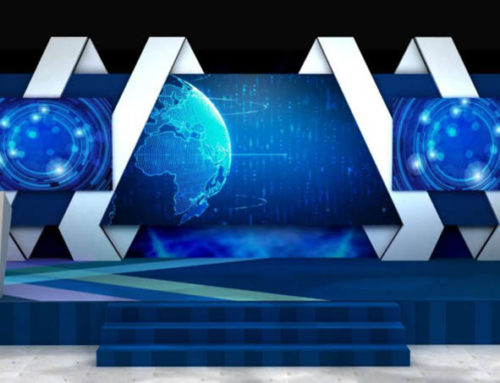

Virtual events in the UAE have changed quickly over the past few years. What started as simple online sessions has grown into something far more demanding. Audiences are no longer satisfied with just watching a screen. They expect movement, choice, and interaction. If those elements are missing, attention drops within minutes, especially for any event management company in Dubai trying to hold audience attention in a competitive market.
In cities like Dubai and Abu Dhabi, where people are used to high production standards, this shift is even more visible. A virtual event now has to feel alive. It has to give people something to do, not just something to watch. That is where immersive technology becomes important.
At Avion, virtual events are built as experiences rather than broadcasts. The goal is simple: keep people involved from start to finish. This is done by combining visual layers like AR, interactive systems that respond to user input, and gamified elements that encourage participation.
Bringing Virtual Spaces To Life With AR
Virtual events become more immersive when augmented reality is used, something that cannot be done using regular video. This alters the way content is delivered and received. Rather than static presentations, speakers would be able to enter the virtual environment created for them. Products could be displayed in 3D, rotated, interacted with, and contextualized. Animations can be made to accompany the speaker or draw attention to certain information.
This does not just look better. It changes behavior. When people see something dynamic, they stay longer. When they stay longer, they absorb more. AR also helps simplify complex ideas. A product, a system, or even a service becomes easier to understand when it is shown visually instead of explained through slides.
Interaction That Keeps People Involved
One of the biggest problems with virtual events is passive viewing. When people are not involved, they drift away. Tabs change. Attention breaks. Interactive systems solve this by giving control back to the user. Instead of following a fixed format, attendees can move through content in a way that suits them. They can click into sections, explore products, respond to prompts, or take part in live activities. This creates a sense of presence, even in a virtual space.
Simple tools like polls or clickable menus may seem basic, but when used correctly, they change the pace of an event. They create pauses, decisions, and moments where the audience becomes part of the flow instead of sitting outside it. Over time, these small interactions add up. They increase engagement without forcing it, which is the core strength of interactive technology in virtual environments.
Gamification As A Natural Driver Of Attention
Games work because they give people a reason to stay. In virtual events, gamification introduces a layer of energy that is otherwise hard to achieve. It does not need to be complex. Even simple mechanics like answering questions, earning points, or unlocking rewards can change how people behave.
When there is a goal, people focus. When there is a reward, they participate. Leaderboard games, timed challenges, or other such tasks can easily be integrated without disrupting the primary event at hand. They simply happen simultaneously, providing additional means for engagement.
This proves highly effective in case of brands looking to steer the behavior of their users towards something specific. Be it data collection, brand promotion, or spending more time at the event – gamification will nudge users towards their goals subtly yet efficiently.
A Clear View Of What Works
Another advantage of virtual events is the level of insight they provide. Every interaction can be tracked. Every click, every pause, every action tells a story about how users move through the experience. This makes it easier to understand what holds attention and what does not. Instead of guessing, brands can see actual behavior. They can measure engagement time, participation rates, and user responses in detail. Over time, this leads to better decisions. Each event becomes a reference point for the next.
Why Brands Work With Avion Events
Technology on its own is not enough. It needs to be used with purpose. At Avion, virtual events are designed with a clear structure. The experience is mapped out before it is built. Every element, from visuals to interaction points, is placed with intent. The focus is not on adding features for the sake of it. It is about creating a flow that feels natural. Something that holds attention without overwhelming the user.
In a virtual setting, people can leave at any moment. There is no physical space holding them in place. That is why every second matters. A well-designed virtual event understands this. It keeps moving. It keeps responding. It gives people a reason to stay. Because in the end, virtual events are not just about being seen. They are about being experienced.