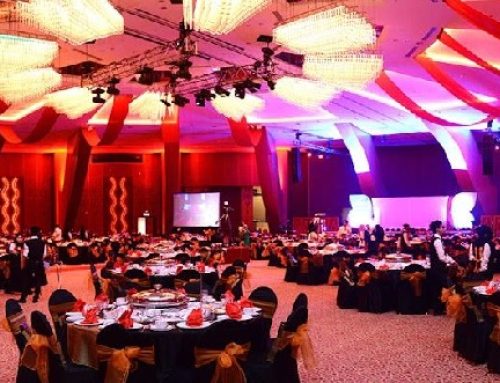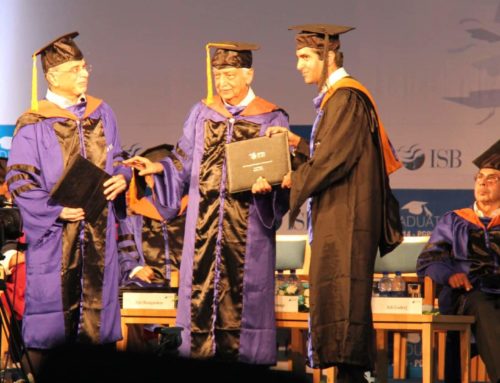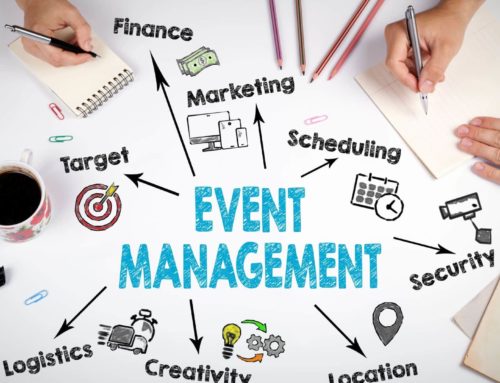
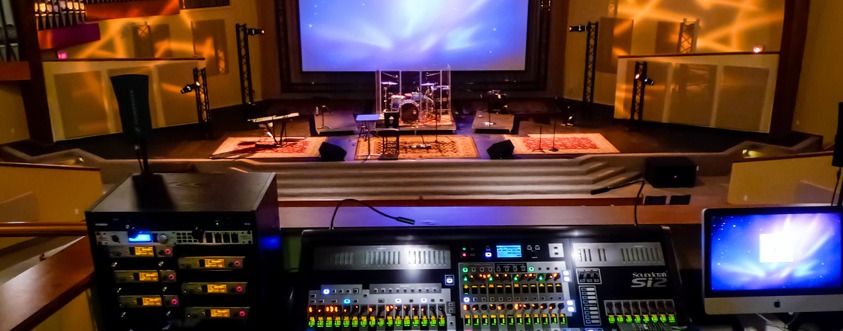
In today’s experience-driven economy, events are no longer just gatherings they are staged environments of influence, designed to stimulate attention, emotion, and connection. Whether it’s a corporate conference, a product launch, a private gala, or a digital–hybrid seminar, the backbone of any successful event lies in its Audio-Visual (AV) ecosystem. This is why renting professional AV equipment from established event companies rather than relying on personal setups or random one-off rentals is no longer optional but strategically essential.
With the UAE positioning itself as a global events powerhouse, the demand for high-performance AV systems has skyrocketed. Data from regional market studies shows that the Middle East AV market is projected to grow by more than 7% annually, driven by corporate events, exhibitions, entertainment, and hybrid interactions. At the heart of this booming sector are audiovisual equipment suppliers and event companies, who now act not only as equipment providers but as technological curators powering brand experiences.
-
Technical Reliability: The Foundation of Audience Trust
Events are high-stakes environments. A single microphone failure, distorted audio, or flickering LED wall can derail months of planning and destroy audience confidence within seconds. Professional event companies eliminate this risk by providing commercial-grade AV systems, maintained, tested, and updated to meet global event standards.
Consider this: studies show that 68% of event attendees judge a brand’s credibility based on the quality of its AV experience. This means flawless sound and visual output directly impacts brand perception, engagement, and trust.
Event companies ensure:
- Zero-latency audio
- Crystal-clear projection and LED quality
- Proper gain staging and equalization
- Backup systems on-site
- Technicians present throughout the event
- This is far beyond what generic equipment rentals offer.
-
Expertise Over Equipment: Skilled Technicians Make the Difference
Owning the best microphones or 4K projectors doesn’t guarantee a successful event. What matters is the expertise behind the equipment. Event companies employ trained AV technicians, system engineers, lighting designers, and stage managers who understand the complex science of acoustics, optics, rigging, and live event production.
Their expertise includes:
- Calibrating sound for different room sizes
- Managing frequency interference
- Synchronizing multi-screen content
- Lighting design for stage moods
- Operating mixers, switchers, and controllers
Without this expertise, even top-tier audio visual equipment suppliers cannot ensure execution quality. Think of AV professionals as the pilots of your event. You would not fly a plane just because you rented it — the same logic applies here.
-
Cost Efficiency: Renting Beats Buying
At first glance, renting AV equipment may seem costly. But when analysed strategically, it is significantly more economical than purchasing equipment.
Here’s why:
Buying AV Equipment Comes With Hidden Costs
Maintenance and servicing
Storage and warehousing
Annual upgrades
Hiring external technicians
Transportation and installation
Insurance and risk management
A mid-range AV setup for a single event can cost AED 40,000–100,000, whereas renting a professionally managed setup is often 70% cheaper, with quality guaranteed. Event companies absorb operational overheads, meaning clients pay only for usage, not ownership.
-
Access to the Latest Technology — Without Depreciation
Technology evolves at breakneck speed. The projector that impressed attendees last year may feel outdated today. Event companies and audio visual equipment suppliers regularly update their inventories to include:
- 4K and 8K LED walls
- Laser projection systems
- Digital mixing consoles
- High-lumen stage lighting
- Wireless microphone systems
- Hybrid-ready streaming solutions
Renting allows brands to access cutting-edge tech instantly, without investing in equipment that depreciates by 15–25% annually.
-
Seamless Integration With Event Production
AV equipment is just one part of an event ecosystem. It must integrate with:
- Stage design
- Lighting
- Venue acoustics
- Digital content
- Live streaming setups
- Interactive audience systems
Event companies manage all these elements under one roof, ensuring synchronization and technical harmony.
This integration eliminates:
- Compatibility issues
- Last-minute equipment failures
- Clashing power requirements
- Uncoordinated cue timings
The result? A cohesive, cinematic event experience.
-
Risk Management & On-Site Support
Events are unpredictable. A speaker may walk too close to a monitor causing feedback. A presenter may change slides incorrectly. A cable may loosen during a panel session. Professional AV teams solve these issues in seconds, often before the audience even notices.
Event companies provide:
- Backup microphones
- Extra cables and connectors
- Spare projectors
- Live troubleshooting
- Safety rigging
- Signal testing and redundancy systems
These services practically guarantee zero downtime, which is critical for corporate events or live-streamed sessions.
-
Enhanced ROI Through Better Audience Engagement
High-quality AV transforms events from passive viewing experiences into immersive engagements.
Research indicates that:
Events with high-quality AV increase audience engagement by up to 55%
Attendees remember content 3x better with strong audiovisual support
Brands experience a measurable rise in credibility and recall
In simple terms, investing in professional AV rentals leads to better business outcomes, not just better events.
Conclusion: Renting AV Equipment Is a Strategic Decision, Not a Convenience
In an era where events shape brand identity, the role of professional AV systems is non-negotiable. Renting equipment from specialised event companies supported by experienced technicians and modern technologies ensures precision, reliability, and memorability. The combination of top-tier audio visual equipment suppliers and skilled event professionals transforms your event into an asset that amplifies brand perception, communicates authority, and enhances audience engagement.